A chimney keeps a record
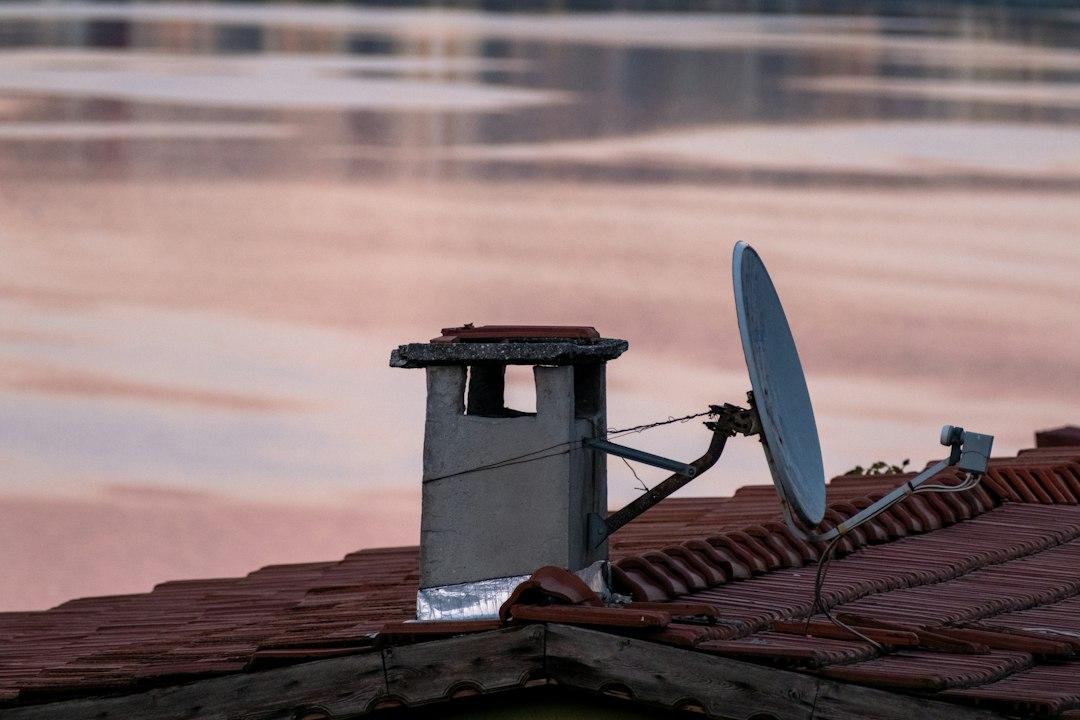
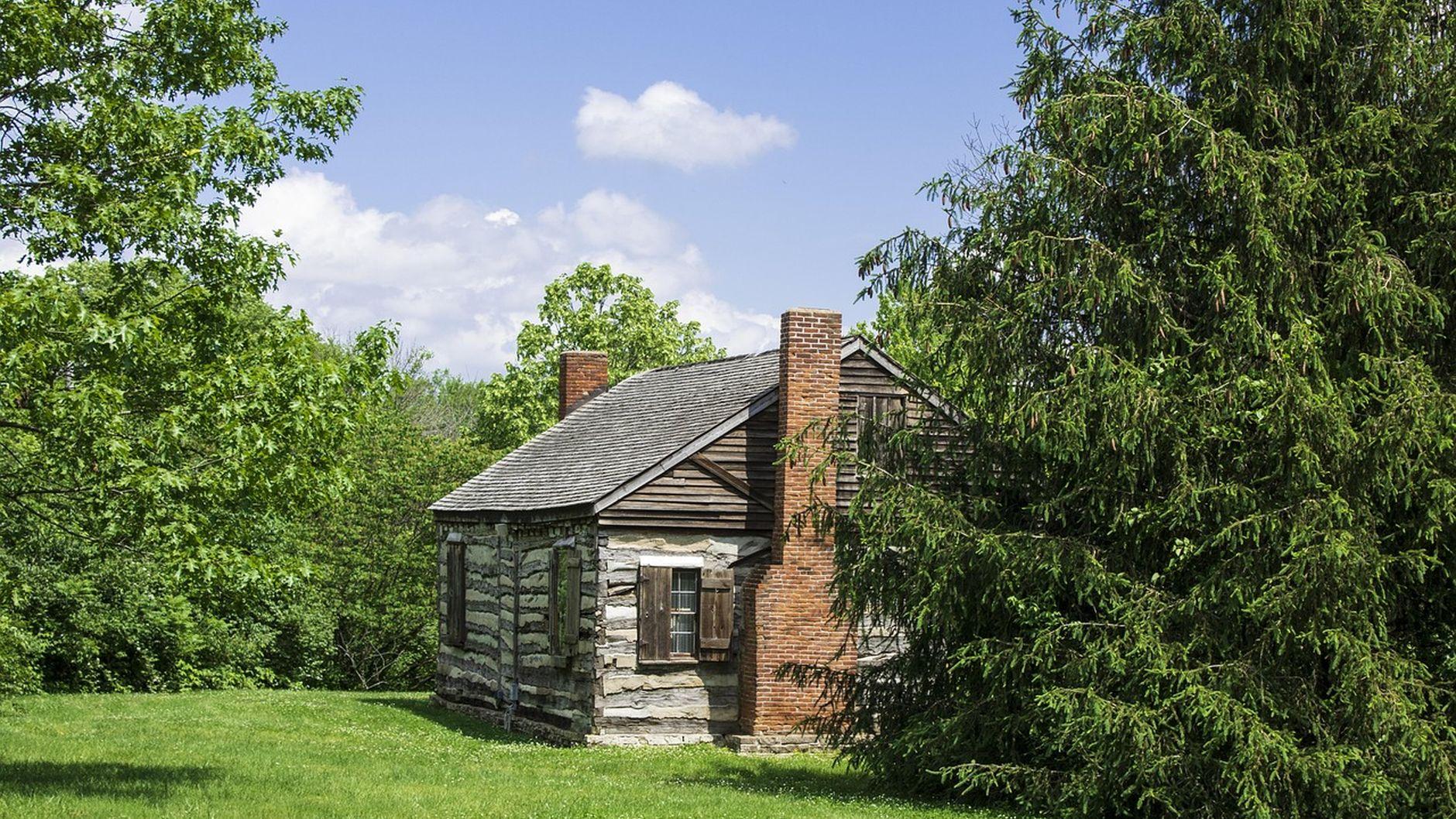
A brick chimney on an older house is one of the few parts of the building that carries its own history on the outside. Brick that changes colour partway up, a band of newer mortar, a steel strap around the stack, a brace running down to the roof: each of those marks says something happened and somebody responded. In the northeast Valley, where the 1971 quake that bears San Fernando's name and the 1994 quake both brought chimneys down, most older stacks have a story. When you are buying, the job is to find out whether that story ended well.
This post is for buyers in escrow on a house with a masonry chimney. It covers what the outside can tell you, what only a camera can, how the findings turn into figures, and how we report to you.
Reading the outside
Before we set up a ladder we look at the stack from the street and the yard, the way a buyer can on a second showing.
- Two colours of brick. A top section that does not match the rest usually means the chimney was rebuilt above the roof at some point. That can be good news. The questions are when, whether it was reinforced, and whether the flue was relined at the same time.
- Steel on the stack. An angle brace or a strap points to a seismic retrofit. We check that the bolts are tight and still anchored in sound brick.
- A gap at the wall. A gap between the chimney and the siding that grows toward the top means the chimney has leaned away from the house. Caulk filling that gap means someone noticed and covered it.
- Stains and white bloom. Dark streaks under the crown or white powder on the brick show where water travels.
None of these alone answers whether the chimney is safe to use. They tell us where to point the camera.
What only the inside shows
A house with an old patched stack can still have a broken flue liner from an earlier quake, because the repair may have stopped at the roofline. On a Level 2 we send a video camera from the firebox to the crown and climb into the attic as well as onto the roof. NFPA 211 recommends that depth of inspection when a property changes hands, and on an older brick chimney in this area it is the only way to see whether the tile inside survived the last shake.
The things we see most in escrow inspections around here:
- Clay tiles cracked across or shifted out of line, often at the roofline or the attic floor
- Joints between tiles with the mortar gone
- An old rebuild that stopped above the roof while the flue below was left broken
- A crown that was patched and has cracked again
- Flashing that has pulled away from brick that moved
Turning findings into figures
A finding only helps a negotiation once it has a number. These items carry published prices on our site:
| Item | Our price |
|---|---|
| Level 2 camera inspection | $385 |
| Leak traced and repaired | $550 to $3,300 |
| Cricket (water diverter) behind the stack | $440 to $990 |
| Cricket and complete reflashing together | $660 to $1,650 |
A new cap over the flue is quoted after we measure.
Relining, crown work, masonry repair, bracing and rebuilds have no list price, because the work varies too much from house to house. When the camera finds one of those, we follow the report with a written figure for that chimney, which is what an agent can actually put in front of the other side.
Book the escrow Level 2: give us the property address, your agent's name, and whether the seller lives in the house or it is empty.
Who sees the report
The person who pays for the inspection decides who gets the report. Most buyers have it sent to themselves and their agent. If you want the listing agent or the seller to see it, say so at booking and we send the same report and photos to each name you give us. Our home sale page explains how that works in more detail, and agents booking on behalf of a client can read our page for agents.
Getting in
Access is usually arranged agent to agent. We need the fireplace reachable, a safe way to the roof, and the attic hatch clear. If the seller is still living there, a fire the night before means a hot firebox, so ask your agent to pass that on.
After closing
If the chimney passed, keep the report. It is your baseline for future years, and it is evidence for the next quake that the flue was sound when you bought. If it needed work, the written figures become your plan. Some buyers negotiate a credit and book the repairs after they move in; others ask the seller to do the work before closing. Which route you take is between you and your agent. Either way, what we give you is the same: photos, a plain written finding, and a figure.
Covering the area
We inspect in San Fernando and the nearby towns, including Sherman Oaks, Santa Clarita and La Canada Flintridge. Our Level 2 inspection page explains the visit itself. If you are in escrow now, our contact page is the quickest route onto our calendar.
Want Your Own Chimney Assessed?
Davies Chimney Experts inspects, repairs and rebuilds chimneys from San Fernando. Each finding comes back with a photo, sorted as structural, water or cosmetic, and any repair is written up with its price before work starts.