Standing in the yard, looking up
After the ground moves, most owners walk outside and look at the chimney. If the stack is upright and no bricks are on the lawn, it is tempting to call it fine and light a fire on the next cold evening. The trouble is that the part most likely to break is hidden. A clay flue liner is a column of short tiles stacked one on another with mortar between them, and fired clay is brittle. When the brick around it flexes, the tiles crack across, the joints between them open, and whole sections can slide sideways so the flue no longer runs true. None of that shows from the street.
A broken liner matters because it is the layer holding fire heat and smoke away from the brick and from the wood framing on the other side of it. Gaps let heat reach timber that was never meant to get warm, and they let combustion gases seep into the walls of the house.
Where the standard stands on it
NFPA 211 is the document chimney work across the country is measured against. It ranks inspections by how deep they go, and it points owners to the middle tier, Level 2, whenever something may have changed a chimney's condition. Shaking from an earthquake sits on that list next to a chimney fire and a sale of the house. The cheaper Level 1 is the yearly look for a chimney nobody has reason to doubt, and after a quake there is a reason.
What we look at on a post-quake visit
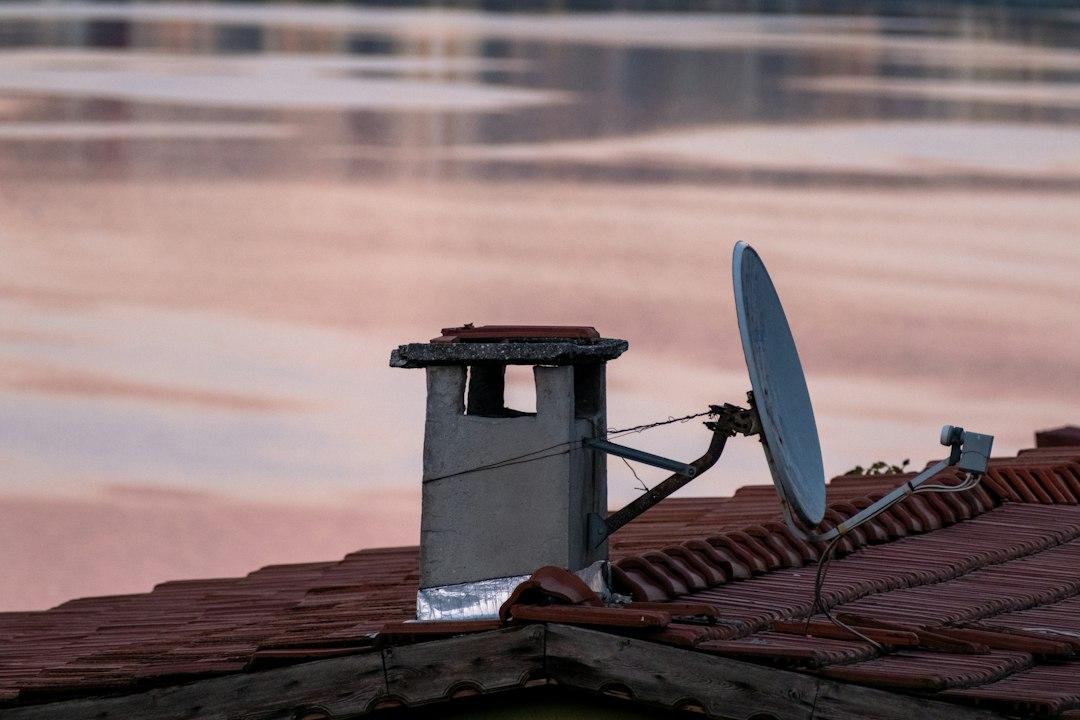
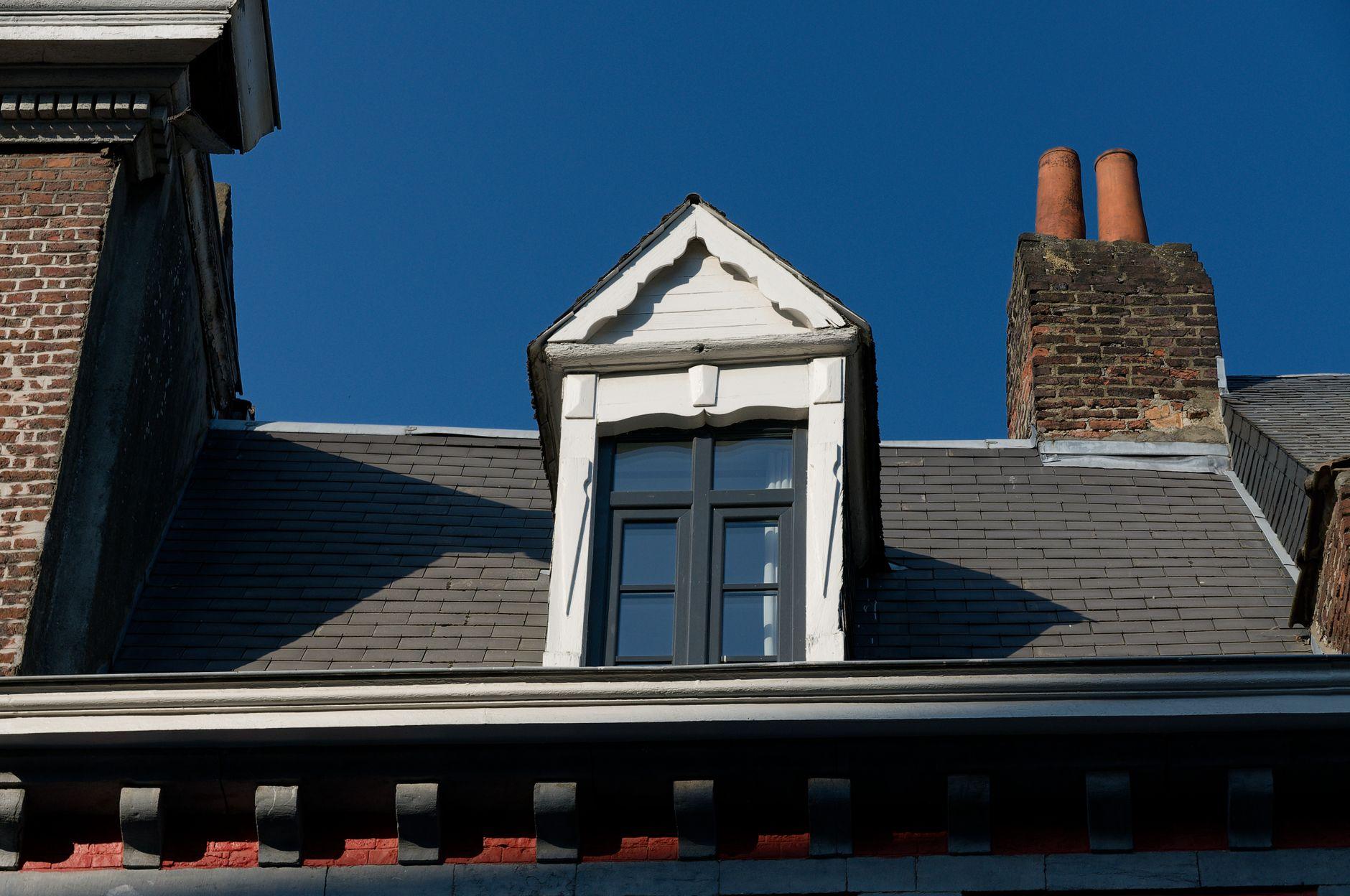
From the roof. Whether the stack still stands plumb or has rotated on its base, horizontal cracks in the joints at and just above the roofline, the crown, and any gap opening between the brick and the flashing.
In the attic. The point where the chimney passes the ceiling joists and rafters. We look for daylight between masonry and framing, fallen mortar on the insulation, and metal ties that have pulled loose.
Inside the flue. A video camera on a flexible rod goes the full length. We watch for tiles cracked through, joints that have stepped out of line, missing mortar, and debris sitting on the smoke shelf that fell from higher up.
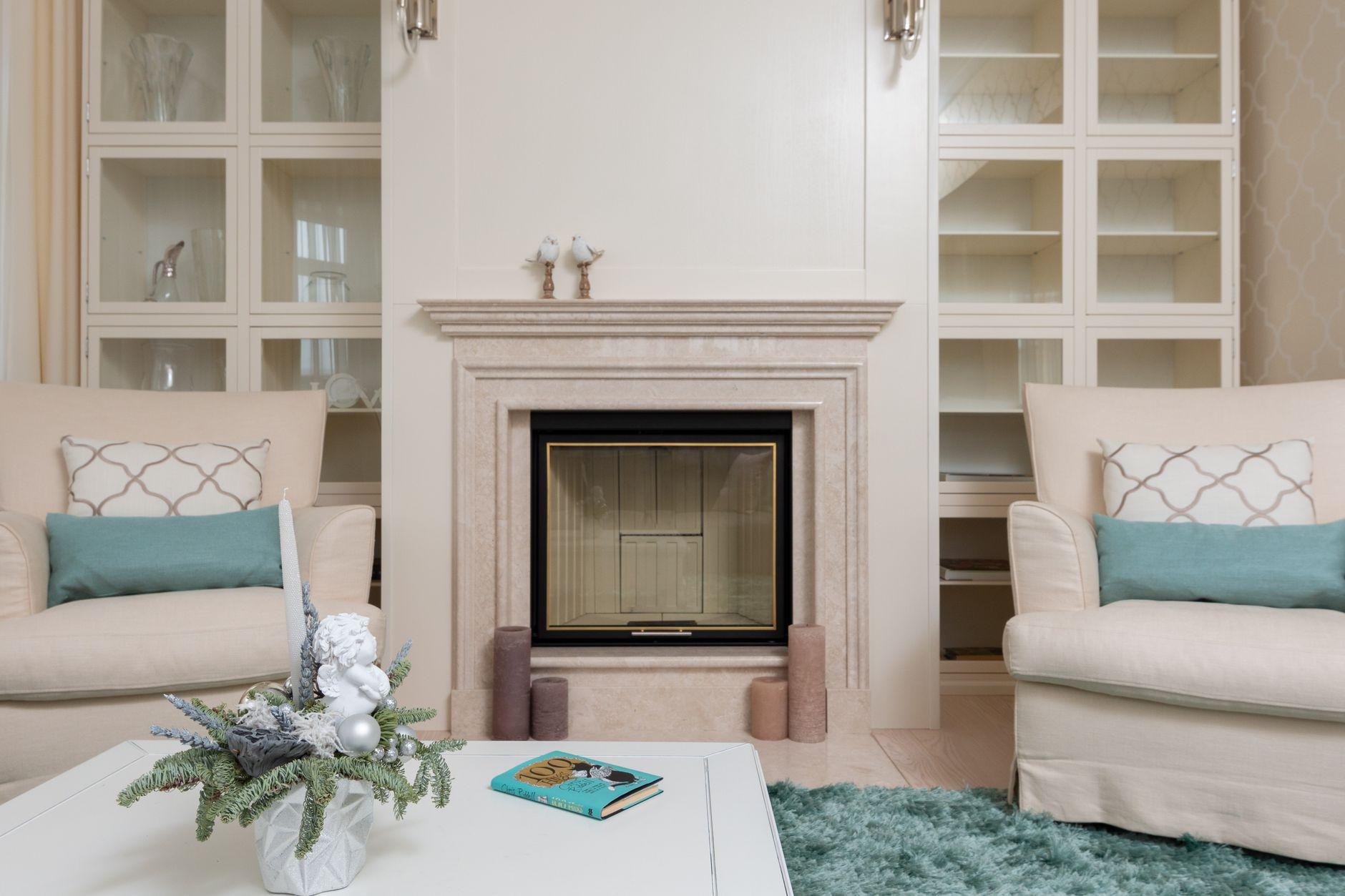
At the fireplace. Cracks in the back wall and the hearth, and whether the damper still closes against its frame.
What it costs and what lands in your inbox
A Level 2 on this site is $385. The $54 Level 1 is the right tool for a routine year and the wrong one after a shake, because it never sees the middle of the flue, which is where liners usually let go.
You receive a written report with stills from the camera, roof and attic photos, and each item marked by location and how soon it needs attention. If the chimney comes through clean, the report says that too. A dated record showing the flue was checked after a quake is useful later, for an insurer or when the house is sold.
Book a post-quake Level 2 and tell us roughly when the shaking happened and whether the fireplace has been used since.
Leave it cold until it is checked
Until the flue has been looked at, keep the fireplace unlit. That goes for gas fireplaces and gas inserts as well as wood. A gas appliance venting into a cracked flue can push carbon monoxide into the house without any smoke to warn you. Check that the carbon monoxide alarms in the house work. And if there is any smell of gas after a quake, the gas utility is the first call, made from outside, before any chimney visit.
If bricks have fallen or the top of the stack looks out of line, keep people and pets clear of the ground below it and away from that side of the house. A cracked stack can stay standing for months and then drop in the next aftershock or a Santa Ana wind.
Which quakes are worth a call
The standard sets no magnitude. Our working rule is simple: if the shaking in your house was strong enough to throw things off shelves, crack plaster or swing the hanging lights hard, the chimney felt it too. San Fernando sits in the northeast corner of the Valley, close to faults that have produced damaging quakes, and the 1971 quake carries the city's name. A small quake far off rarely matters. A moderate one close by can.
Chimneys that were patched after 1971 or after the 1994 quake deserve a closer look, because old repairs are often the first thing to open again. A course of brick in a different colour near the top, a band of fresh mortar or a metal strap wrapped around the stack all tell us the chimney has been through this before.
After the report
What happens next depends on what the camera found. The common outcomes, roughly from lightest to heaviest:
- Nothing to fix. You keep the report on file and carry on with yearly checks.
- Joint and crown work. Open joints refilled and a cracked crown recast. See masonry repair and crown repair.
- A new liner. When tiles are broken but the brick around them is sound, relining restores the protective layer without taking the chimney apart. Our post on relining a shaken flue explains the choices.
- Rebuilding the top. When the brick above the roof has lost its bond, it comes down and goes back up. See chimney rebuilds.
- Steel bracing. When the stack is sound but tall and unsupported, see seismic retrofit.
Each repair arrives as a separate written line with its own figure, so you can see which items are urgent and which can be planned. Whether any of it is covered is between you and your insurer; the dated photos give them something concrete to look at.
Our area
We cover San Fernando, Sherman Oaks, Santa Clarita and La Canada Flintridge, along with the neighborhoods between them. After a sizeable local quake the calls come in a rush, and the earlier a request reaches us the sooner it is on the list. Put the address and a line about what you noticed on our contact page and we will be in touch to arrange the visit.
Want Your Own Chimney Assessed?
Davies Chimney Experts inspects, repairs and rebuilds chimneys from San Fernando. Each finding comes back with a photo, sorted as structural, water or cosmetic, and any repair is written up with its price before work starts.